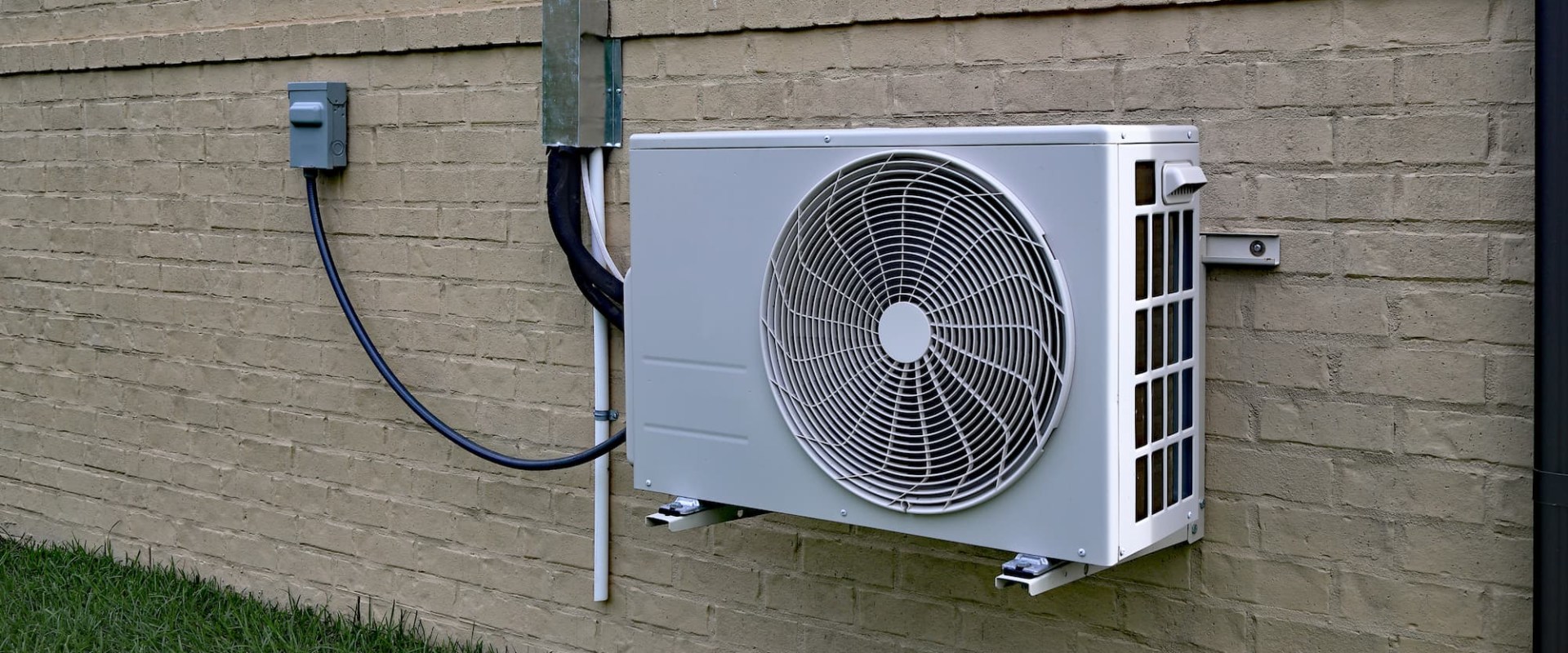
In the realm of home comfort, the traditional AC system has long been the go-to solution for regulating indoor temperatures. However, as homes have evolved in size and complexity, so too have the demands placed on these systems. Enter the HVAC zoning systemHVAC zoning system , a modern approach designed to enhance both comfort and efficiency by allowing for tailored temperature control in different areas of a home. Unlike conventional systems that rely on a single thermostat to manage the climate for the entire house, zoning systems divide a home into distinct zones, each equipped with its own thermostat and controls.The primary purpose of an HVAC zoning system is to address the unique heating and cooling needs of various spaces within a home.
For instance, rooms that receive more sunlight may require less cooling during the day, while basements or north-facing rooms might need additional heating. By utilizing dampers in the ductwork, these systems can direct airflow precisely where it is needed, ensuring that every room maintains a comfortable temperature without overworking the system.One of the most significant advantages of implementing an HVAC zoning system is its ability to improve energy efficiency. Traditional AC systems often lead to wasted energy as they cool or heat unoccupied areas. In contrast, zoning allows homeowners to focus their energy use on occupied spaces, resulting in lower utility bills and a reduced environmental footprint.
This not only benefits individual households but also contributes to broader efforts in energy conservation.As we delve deeper into the benefits of HVAC zoning systems, it becomes clear that they offer more than just comfort; they represent a shift towards smarter, more sustainable living. Understanding how these systems work and their advantages can empower homeowners to make informed decisions about their heating and cooling needs.
How HVAC Zoning Works
Understanding how an HVAC zoning system operates is essential for homeowners looking to enhance their comfort and energy efficiency. At its core, an HVAC zoning system divides a home into distinct areas or "zones," each with its own temperature control. This is achieved through a combination of specialized components that work together seamlessly.Key Components of HVAC Zoning Systems
- Dampers: These are mechanical devices installed within the ductwork that regulate airflow to different zones.
When a specific zone requires heating or cooling, the dampers open to allow air to flow into that area while restricting airflow to others. This targeted approach ensures that each zone receives the appropriate amount of conditioned air based on its individual needs.
- Thermostats: Each zone is equipped with its own thermostat, allowing occupants to set their desired temperature independently. This means that if one room tends to be warmer due to sunlight exposure, the thermostat in that zone can be adjusted without affecting the overall temperature of the entire home.
- Control Panel: The control panel acts as the brain of the HVAC zoning system. It communicates with the thermostats and dampers, coordinating their functions to maintain the desired temperatures in each zone.
Advanced control panels may also offer programmable settings, allowing homeowners to schedule temperature changes based on occupancy patterns.
HVAC Zoning Technology
The technology behind HVAC zoning systems has evolved significantly over the years. Modern systems often incorporate smart technology, enabling homeowners to control their zones remotely via smartphone apps or smart home systems. This level of control not only enhances convenience but also allows for real-time adjustments based on changing conditions or preferences.Moreover, some advanced systems utilize sensors that detect occupancy and adjust temperatures accordingly. For instance, if a room is unoccupied for an extended period, the system can automatically reduce heating or cooling in that zone, further optimizing energy efficiency.In summary, an HVAC zoning system operates through a well-coordinated network of dampers, thermostats, and control panels.
By understanding these components and how they interact, homeowners can make informed decisions about implementing this technology in their homes for improved comfort and efficiency.
Enhanced Comfort Through Custom Temperature Control
One of the most significant advantages of an HVAC zoning system is its ability to enhance comfort through personalized temperature control. In traditional HVAC setups, a single thermostat regulates the temperature for the entire home, which can lead to discomfort in various areas. For instance, a room that receives ample sunlight may become excessively warm, while a shaded area remains cool. This inconsistency can create an environment where some family members are too hot while others are too cold, leading to frustration and dissatisfaction.With an HVAC zoning system, homeowners can establish distinct zones within their living spaces, each equipped with its own thermostat.This allows for tailored temperature settings based on individual preferences and specific room usage. For example:
- Living Areas: The main living spaces can be kept at a comfortable temperature for social gatherings and family activities.
- Bedrooms: During the night, bedrooms can be cooled down to promote better sleep without affecting the temperature in other parts of the house.
- Home Offices: If someone works from home, they can set their office to a cooler temperature to maintain focus and productivity.
By only conditioning the areas that are in use, homeowners can avoid unnecessary energy expenditure on unoccupied rooms. This not only saves money on utility bills but also reduces the environmental impact associated with excessive energy consumption.In conclusion, the comfort benefits provided by an HVAC zoning system are substantial. By allowing for individualized temperature control throughout different areas of the home, these systems ensure that every occupant can enjoy their preferred climate. This not only enhances daily living experiences but also promotes a healthier and more sustainable lifestyle.
Energy Efficiency and Cost Savings
One of the most compelling advantages of an HVAC zoning system is its ability to enhance energy efficiency.Traditional AC systems often operate on a one-size-fits-all approach, where a single thermostat controls the temperature for the entire home. This can lead to significant energy waste, especially in larger homes with varying heating and cooling needs across different rooms. In contrast, an HVAC zoning system allows homeowners to tailor their heating and cooling efforts based on actual occupancy and usage patterns.By dividing the home into distinct zones, each equipped with its own thermostat, homeowners can effectively manage the temperature in each area. For instance, if a family spends most of their time in the living room during the day, they can set that zone to a comfortable temperature while leaving less-used areas, such as guest rooms or basements, at a higher temperature during warmer months.
This targeted approach not only maximizes comfort but also minimizes energy consumption.Moreover, this system significantly contributes to cost savings on energy bills. According to various studies, homeowners can save up to 30% on their heating and cooling costs by implementing zoning systems. By only heating or cooling occupied spaces, you avoid unnecessary energy expenditure on unoccupied areas. This is particularly beneficial during extreme weather conditions when energy demands are at their peak.In addition to reducing energy bills, HVAC zoning systems can also lead to lower maintenance costs over time.
Since these systems operate more efficiently, they place less strain on the HVAC equipment. This reduced wear and tear can extend the lifespan of your AC system and decrease the frequency of repairs and maintenance services. Regular maintenance is essential for any HVAC system, but with zoning systems, you may find that your equipment requires less frequent servicing due to its efficient operation.In summary, investing in an HVAC zoning system not only enhances energy efficiency but also translates into substantial cost savings. By optimizing temperature control based on actual usage and occupancy, homeowners can enjoy a more comfortable living environment while significantly reducing their energy bills and maintenance expenses.
Environmental Impact of HVAC Zoning Systems
Implementing an HVAC zoning system not only enhances comfort and efficiency within a home but also plays a significant role in promoting environmental sustainability.As energy consumption continues to rise, the need for solutions that minimize our carbon footprint has never been more critical. HVAC zoning systems address this issue by optimizing energy use, which directly contributes to reducing greenhouse gas emissions.One of the primary environmental benefits of HVAC zoning systems is their ability to reduce energy consumption. Traditional HVAC systems often heat or cool entire homes, regardless of whether all areas are occupied. This leads to unnecessary energy expenditure in unoccupied rooms.
In contrast, a zoning system allows homeowners to control temperatures in specific areas, ensuring that energy is only used where it is needed. This targeted approach can lead to significant reductions in overall energy usage.According to the U. S. Energy Information Administration, residential and commercial buildings account for nearly 40% of total energy consumption in the United States.
By adopting an HVAC zoning system, homeowners can contribute to a decrease in this percentage, thereby playing a part in the larger effort to combat climate change. The less energy consumed translates into fewer fossil fuels burned, which directly correlates with lower greenhouse gas emissions .Moreover, HVAC zoning systems can enhance indoor air quality, which is another aspect of environmental sustainability. By controlling airflow and temperature in specific zones, these systems can help reduce the circulation of allergens and pollutants throughout the home. This localized air management not only benefits the occupants' health but also minimizes the need for additional air purification measures that often consume more energy.In addition to these direct benefits, HVAC zoning systems align with broader sustainable home solutions.
As more homeowners seek eco-friendly options, integrating such systems into residential designs can increase property value and appeal. The long-term savings on energy bills further incentivize this investment, making it a win-win for both the environment and homeowners.In conclusion, the environmental impact of HVAC zoning systems is profound. By reducing energy consumption and greenhouse gas emissions while improving indoor air quality, these systems represent a crucial step towards creating sustainable living spaces. Homeowners who invest in HVAC zoning not only enhance their comfort but also contribute positively to the planet's health.
Improving Indoor Air Quality with Zoning Systems
One of the most significant advantages of implementing an HVAC zoning system is its ability to enhance indoor air quality.Traditional HVAC systems often circulate air throughout the entire home, which can inadvertently spread allergens and pollutants from one area to another. This can be particularly problematic for individuals with allergies, asthma, or other respiratory conditions. By utilizing a zoning system, homeowners can effectively control air circulation, thereby minimizing the risk of airborne contaminants affecting their health.With a zoning system, each zone can be independently controlled, allowing for targeted air filtration and circulation. For instance, if a particular room is prone to dust accumulation or has higher levels of humidity, the HVAC system can be adjusted to increase air filtration in that specific area.
This localized approach not only improves comfort but also significantly reduces the presence of allergens such as dust mites, mold spores, and pet dander.Moreover, zoning systems can be equipped with advanced air purification technologies. Homeowners can choose to install high-efficiency particulate air (HEPA) filters or ultraviolet (UV) light systems in specific zones. These technologies are designed to capture and neutralize harmful particles and microorganisms in the air, further enhancing indoor air quality.Another benefit of improved air quality through zoning is the reduction of odors and volatile organic compounds (VOCs). Many household products release VOCs that can contribute to poor indoor air quality.
By controlling which areas receive airflow and ensuring proper ventilation in those zones, homeowners can effectively dilute these harmful substances and maintain a healthier living environment.In addition to health benefits, better indoor air quality can lead to increased productivity and overall well-being. Studies have shown that cleaner air can enhance cognitive function and reduce fatigue, making it easier for family members to focus on daily tasks or enjoy leisure activities without the distraction of poor air quality.In conclusion, an HVAC zoning system not only provides personalized temperature control but also plays a crucial role in improving indoor air quality. By limiting the circulation of allergens and pollutants, homeowners can create a healthier living space that promotes well-being for all occupants.
Installation Process of an HVAC Zoning System
Installing an HVAC zoning system is a strategic investment that can significantly enhance the comfort and efficiency of your home. The installation process involves several key steps, whether you are integrating it with an existing AC system or setting it up in a new construction.Understanding these steps can help homeowners prepare for the transition and ensure a smooth installation.
1.Assessment of Your Home
The first step in the installation process is a thorough assessment of your home’s layout and existing HVAC system. A qualified HVAC technician will evaluate:
- The size and configuration of your home
- Current ductwork and airflow patterns
- Existing heating and cooling systems
- Specific comfort needs of different areas
2.Designing the Zoning System
Once the assessment is complete, the technician will design a customized zoning plan. This plan will include:
- The number of zones required based on usage patterns
- The placement of thermostats in each zone for optimal control
- The type and size of dampers needed to regulate airflow
3.Installation of Dampers and Thermostats
The next phase involves installing dampers in the ductwork. These dampers are essential for controlling airflow to each zone.
The technician will:
- Cut into existing ductwork to install motorized dampers
- Connect each damper to its corresponding thermostat
- Ensure that all components are properly sealed to prevent air leaks
4.Integration with Existing Systems
If you are integrating the zoning system with an existing AC system, the technician will ensure compatibility between the new components and your current setup. This may involve:
- Upgrading certain parts of your existing HVAC system to accommodate zoning
- Reconfiguring ductwork if necessary to optimize airflow
- Testing the entire system to ensure seamless operation across all zones
5.System Testing and Calibration
After installation, thorough testing is conducted to ensure everything operates as intended. The technician will:
- Calibrate each thermostat for accurate temperature readings
- Test dampers to confirm they open and close correctly based on thermostat settings
- Check for any air leaks or inefficiencies in the system
Common Misconceptions About HVAC Zoning Systems
When considering an HVAC zoning system, many homeowners encounter a variety of misconceptions that can cloud their judgment. Understanding these myths is crucial for making informed decisions about your AC system and overall home comfort.- Myth 1: HVAC zoning systems are only for large homes.
While it’s true that larger homes benefit significantly from zoning due to their diverse heating and cooling needs, smaller homes can also take advantage of this technology.Zoning allows for tailored temperature control in specific areas, which can enhance comfort and efficiency regardless of home size.
- Myth 2: Zoning systems are too complicated to operate.
Many believe that the complexity of a zoning system makes it difficult to manage. In reality, modern zoning systems come equipped with user-friendly interfaces and programmable thermostats that simplify operation. Homeowners can easily adjust settings to suit their preferences. - Myth 3: Installing a zoning system is prohibitively expensive.
Although the initial investment may be higher than a traditional HVAC setup, the long-term savings on energy bills and increased comfort often outweigh the upfront costs. Additionally, many homeowners find that the enhanced efficiency leads to lower maintenance costs over time. - Myth 4: Zoning systems are noisy and disruptive.
Some people fear that adding dampers and additional components will create noise issues.However, when properly installed, zoning systems operate quietly and efficiently, providing comfort without unnecessary noise.
- Myth 5: A zoning system will not improve indoor air quality.
On the contrary, HVAC zoning systems can enhance indoor air quality by allowing for better control over airflow in different areas. This targeted approach reduces the spread of allergens and pollutants throughout the home, leading to a healthier living environment.
Conclusion: The Smart Choice for Homeowners
In summary, adopting an HVAC zoning system is a transformative decision for homeowners seeking to enhance both comfort and efficiency within their living spaces. Throughout this article, we have explored the multifaceted benefits of such systems, highlighting how they cater to the unique needs of different areas in a home.One of the most significant advantages of an HVAC zoning system is its ability to provide personalized temperature control.Unlike traditional AC systems that rely on a single thermostat, zoning systems allow for individual thermostats in each zone. This means that family members can enjoy their preferred temperatures without compromising the comfort of others. For instance, a cooler setting can be maintained in a sun-soaked living room while keeping bedrooms at a comfortable warmth during the night.Moreover, the energy efficiency offered by zoning systems cannot be overstated. By directing heating and cooling only to occupied zones, homeowners can significantly reduce their energy consumption and lower utility bills.
This targeted approach not only conserves energy but also minimizes wear and tear on the HVAC system, potentially extending its lifespan and reducing maintenance costs.Additionally, the environmental impact of implementing an HVAC zoning system is noteworthy. With residential buildings accounting for a substantial portion of energy use in the United States, optimizing energy efficiency through zoning contributes to a reduction in greenhouse gas emissions. Homeowners can take pride in making an eco-friendly choice that benefits both their household and the planet.Finally, improved indoor air quality is another compelling reason to consider an HVAC zoning system. By limiting air circulation to specific zones, these systems help reduce the spread of allergens and pollutants throughout the home.
This is particularly beneficial for families with members who suffer from allergies or respiratory issues.In conclusion, investing in an HVAC zoning system is not just about enhancing comfort; it’s about making a smart choice for your home’s efficiency and environmental footprint. With customizable temperature settings, energy savings, and improved air quality, homeowners can enjoy a more comfortable living environment while contributing positively to the world around them.