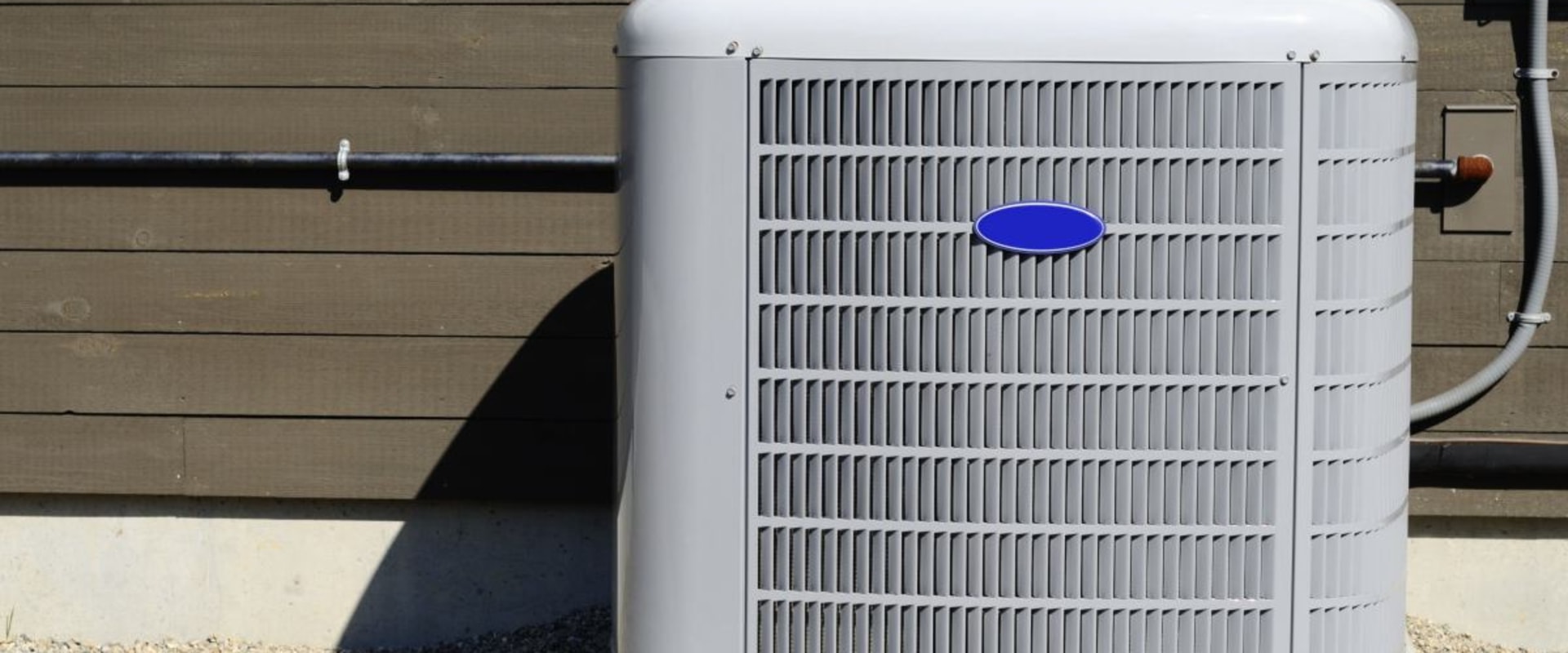
When it comes to maintaining a comfortable indoor environment, understanding the different types of AC systems is crucial. Two of the most common options available are the split system and the package unit. Each of these systems has its unique design and functionality, catering to various needs and preferences. By grasping the fundamental differences between these two types of HVAC systems, homeowners can make informed decisions that best suit their living conditions.A split system consists of two main components: an outdoor unit that houses the compressor and condenser, and an indoor unit that contains the evaporator coil.
This separation allows for greater flexibility in installation and can lead to improved energy efficiency. The outdoor unit is typically placed outside the home, while the indoor unit can be installed in various locations, such as a basement or utility room. This configuration not only saves space but also minimizes noise levels inside the home.In contrast, a package unit consolidates all essential components into a single outdoor unit. This all-in-one design simplifies installation and is often preferred for homes with limited space or specific layout constraints.
Package units are commonly used in commercial settings but are also suitable for residential applications. Understanding these basic definitions sets the stage for a deeper exploration of their respective advantages and disadvantages, helping homeowners navigate their options effectively.As you delve further into this topic, consider how factors such as energy efficiency, installation costs, and maintenance requirements play a role in your decision-making process. Whether you lean towards a split system or a package unit, knowing the ins and outs of these HVAC systems will empower you to create a more comfortable living environment tailored to your needs.
What is a Split System?
A split system is a popular type of air conditioning system that consists of two main components: an outdoor unit and an indoor unit. This design allows for efficient cooling and heating of residential and commercial spaces.Understanding how a split system operates and its benefits can help homeowners make informed decisions when selecting an AC system .The outdoor unit typically houses the compressor, condenser coil, and fan. Its primary function is to expel heat from the refrigerant that has absorbed heat from inside the home. The indoor unit, on the other hand, contains the evaporator coil and is responsible for distributing cool air throughout the living space. These two units are connected by refrigerant lines, which transport the refrigerant between them.One of the key advantages of a split system is its energy efficiency.
Split systems often have higher Seasonal Energy Efficiency Ratio (SEER) ratings compared to other types of AC systems, meaning they can provide more cooling power while consuming less energy. This efficiency translates into lower utility bills, making them a cost-effective choice in the long run.Another benefit is the flexibility in installation. Split systems can be installed in various configurations, allowing homeowners to choose the best setup for their specific needs. For instance, ductless mini-split systems are available for homes without existing ductwork, providing an excellent solution for targeted cooling in individual rooms or areas.Additionally, split systems tend to operate more quietly than packaged units since the noisy components are located outside.
This feature enhances indoor comfort, allowing residents to enjoy a peaceful environment.In summary, a split system AC offers numerous benefits including:
- Energy efficiency with high SEER ratings
- Flexible installation options , including ductless configurations
- Quieter operation due to outdoor placement of noisy components
- Improved air quality , as many models come with advanced filtration systems
What is a Package Unit?
A package unit is a type of air conditioning system that consolidates all essential components into a single outdoor unit. This design typically includes the compressor, condenser, and evaporator coil, all housed within one compact structure. Package units are particularly popular in commercial settings but are also suitable for residential applications, especially in homes with limited space.One of the primary advantages of a package unit is its space-saving design. Since all components are contained in one unit, they require less installation space compared to split systems, which have separate indoor and outdoor units.This makes package units an excellent choice for homes with limited yard space or for those who prefer a less intrusive installation.Another benefit is the ease of installation. Because the entire system is pre-assembled, installation can be completed more quickly and often at a lower cost than split systems. This efficiency can be particularly appealing for homeowners looking to minimize disruption during the installation process.Package units also tend to have lower maintenance requirements. With all components located in one place, accessing them for routine maintenance or repairs can be simpler than with split systems, where multiple units may complicate service access.However, there are some potential drawbacks to consider.
One significant concern is energy efficiency. While modern package units can be quite efficient, they generally do not achieve the same high SEER ratings as split systems. This means that over time, operating costs may be higher due to increased energy consumption.Additionally, package units can be more susceptible to outdoor elements since they are entirely exposed. This exposure can lead to wear and tear from weather conditions, potentially impacting their longevity and performance.In summary, a package unit offers a compact and efficient solution for air conditioning needs, particularly in situations where space is at a premium.
While they provide several benefits such as ease of installation and maintenance, it’s essential to weigh these against potential drawbacks like energy efficiency and exposure to the elements when deciding if this system is right for your home.
Efficiency Comparison: Split System vs Package Unit
When it comes to choosing an AC system for your home, understanding the efficiency of split systems versus package units is crucial. Efficiency not only affects your energy bills but also has a significant impact on the environment. One of the primary metrics used to evaluate the efficiency of air conditioning systems is the Seasonal Energy Efficiency Ratio (SEER) .SEER Ratings Explained
- SEER ratings measure the cooling output of an air conditioning unit over a typical cooling season divided by the energy it consumes in watt-hours.
- A higher SEER rating indicates a more efficient system, meaning you get more cooling for each dollar spent on electricity.
This difference in efficiency can lead to substantial savings on your utility bills over time.
Energy Efficiency Comparison
The efficiency of an AC system is influenced by several factors beyond just the SEER rating:
- Ductwork Condition: The effectiveness of your heating and cooling system is heavily reliant on well-maintained ductwork. Leaks or blockages can significantly reduce efficiency, regardless of the system type.
- Installation Quality: Proper installation is essential for maximizing efficiency. A poorly installed system can lead to energy waste and decreased performance.
- Regular Maintenance: Routine maintenance ensures that both split systems and package units operate at peak efficiency. Neglecting maintenance can lead to reduced performance and higher energy costs.
Homeowners should consider their specific needs, including space constraints and budget, when deciding which system will provide the best energy efficiency for their home.
Installation Process: What to Expect
When considering the installation of an AC system, understanding the installation process for both split systems and package units is crucial. Each type of system has its own unique requirements, labor intensity, and associated costs that can significantly impact your decision.Split System Installation
The installation of a split system typically involves several steps and requires skilled labor. Here’s what you can expect:- Site Assessment: A qualified HVAC technician will first assess your home to determine the best locations for the indoor and outdoor units. This assessment includes evaluating ductwork, electrical systems, and space availability.
- Installation Timeframe: Installing a split system usually takes between 4 to 8 hours, depending on the complexity of the setup and any necessary modifications to existing ductwork.
- Labor Requirements: Because a split system consists of two separate units, it generally requires more labor.
Technicians must connect refrigerant lines, electrical wiring, and ensure proper insulation between the two units.
- Cost Considerations: The cost of installing a split system can range from $3,000 to $7,000 or more, depending on the brand, efficiency rating, and any additional work needed for duct modifications or electrical upgrades.
Package Unit Installation
In contrast, package units are designed for quicker installation due to their all-in-one design. Here’s what you should know:- Simplified Setup: Since all components are housed in a single outdoor unit, installation is generally more straightforward. This can lead to a faster setup time.
- Installation Timeframe: A package unit can typically be installed in about 2 to 4 hours, making it a more convenient option for homeowners looking for quick cooling solutions.
- Labor Requirements: Fewer labor hours are needed since there’s no need to connect multiple units. However, technicians still need to ensure proper placement and secure connections to existing ductwork.
- Cost Considerations: The upfront cost for package unit installation is often lower than that of split systems, ranging from $2,500 to $5,000.
However, keep in mind that long-term energy efficiency may vary.
Maintenance and Repair Considerations
When it comes to maintaining your AC system, understanding the specific needs of both split systems and package units is crucial for ensuring their longevity and efficiency. Regular maintenance not only helps in preventing unexpected breakdowns but also enhances the overall performance of your HVAC system.Maintenance for Split Systems
Split systems, with their two separate components, require a tailored approach to maintenance. Here are some essential tips:- Regular Filter Changes: The air filters in both the indoor and outdoor units should be checked monthly and replaced every 1-3 months, depending on usage.
Clogged filters can restrict airflow, leading to reduced efficiency.
- Clean the Coils: The evaporator and condenser coils should be cleaned at least once a year. Dust and debris can accumulate on these coils, hindering their ability to absorb and release heat effectively.
- Inspect Ductwork: Ensure that your ductwork is sealed properly and free from leaks. Poorly sealed ducts can lead to significant energy loss, affecting the overall efficiency of your split system.
- Check Refrigerant Levels: Low refrigerant levels can indicate leaks or other issues. Regularly checking and maintaining proper refrigerant levels is essential for optimal cooling performance.
Maintenance for Package Units
Package units, being all-in-one systems, have different maintenance requirements.Here are some key considerations:
- Routine Inspections: Schedule annual inspections with a qualified HVAC technician to ensure all components are functioning correctly. This includes checking electrical connections, belts, and motors.
- Keep the Unit Clean: Since package units are located outside, they can accumulate dirt and debris. Regularly clean the exterior and ensure that there is adequate clearance around the unit for proper airflow.
- Monitor Drainage: Check the condensate drain for clogs. A blocked drain can lead to water damage and mold growth, which can be costly to repair.
- Seasonal Start-Up Checks: Before the cooling season begins, perform a start-up check to ensure that the unit is ready for operation.
This includes testing the thermostat settings and ensuring that all components are functioning smoothly.
Cost Analysis: Upfront vs Long-term Expenses
When considering an AC system for your home, understanding the financial implications is crucial. Both split systems and package units come with their own set of costs, which can be categorized into upfront expenses and long-term operational costs. This analysis will help you make an informed decision based on your budget and needs.Upfront Costs
The initial investment for an AC system can vary significantly between split systems and package units.Generally, split systems tend to have higher upfront costs due to the need for two separate units: one for the indoor evaporator and another for the outdoor condenser.
- Split System: The average cost of a split system can range from $3,000 to $7,000, depending on the brand, efficiency rating, and installation complexity. This price includes both the equipment and labor costs associated with installation.
- Package Unit: In contrast, package units typically range from $2,500 to $5,500. Since all components are housed in a single unit, installation is often quicker and less labor-intensive, contributing to lower overall costs.
Long-term Operational Costs
While upfront costs are important, long-term operational expenses can significantly impact your overall investment. These costs include energy consumption, maintenance, and potential repairs over time.- Energy Efficiency: Split systems generally offer higher Seasonal Energy Efficiency Ratio (SEER) ratings compared to package units.
A higher SEER rating means better energy efficiency, which translates to lower utility bills. For instance, a split system with a SEER rating of 16 may cost around $1,200 annually in energy bills, while a package unit with a SEER rating of 12 could cost approximately $1,500.
- Maintenance Costs: Maintenance is another factor to consider. Split systems are often easier to maintain due to their separate components being more accessible. Regular maintenance can help prevent costly repairs down the line.
Package units may require more extensive service due to their compact design.
Space Considerations: Which System Fits Your Home?
When it comes to selecting an AC system for your home, one of the most critical factors to consider is the available space. The choice between a split system and a package unit can significantly depend on the layout and size of your home.Understanding the space requirements for each system can help you make an informed decision that best suits your needs.
Space Requirements for Split Systems
- A split system consists of two main components: an outdoor unit and an indoor unit. This separation allows for flexibility in installation, as the indoor unit can be placed in various locations within your home.
- Typically, split systems require more space overall due to the need for both indoor and outdoor units. The outdoor unit must be installed in a location that allows for proper airflow and accessibility for maintenance.
- For homes with limited outdoor space, such as townhouses or apartments, finding a suitable location for the outdoor unit can be challenging. Homeowners may need to consider options like balconies or rooftops, which can complicate installation.
Space Requirements for Package Units
- In contrast, a package unit houses all components in a single outdoor unit.
This design is particularly advantageous for homes with limited indoor space, as it eliminates the need for an indoor component.
- Package units are often installed on rooftops or at ground level, making them ideal for homes with minimal yard space. Their compact design allows them to fit into tighter areas without sacrificing performance.
- However, homeowners should ensure that the installation site is accessible for maintenance and repairs, as all components are contained within one unit.
Home Size Considerations
- The size of your home plays a significant role in determining which AC system is more suitable. Larger homes may benefit from split systems due to their ability to provide zoned cooling, allowing different areas of the house to be cooled independently.
- Conversely, smaller homes or apartments may find package units more efficient and cost-effective due to their straightforward installation and lower upfront costs.
- Ultimately, evaluating your home's layout and available space will help you determine which system aligns best with your cooling needs and installation capabilities.
Environmental Impact: Energy Use and Sustainability
When considering the environmental impact of air conditioning systems, it is essential to evaluate their energy consumption and the sustainability practices that can be integrated into their use.Both split systems and package units have distinct characteristics that influence their overall energy efficiency and environmental footprint.One of the primary factors affecting the environmental impact of an AC system is its energy use. According to the U. S. Department of Energy, residential air conditioning accounts for approximately 6% of total electricity use in the United States.
This significant consumption highlights the importance of selecting an efficient system. Split systems generally offer higher Seasonal Energy Efficiency Ratio (SEER) ratings compared to package units, which means they can provide more cooling per unit of energy consumed. This efficiency translates into lower energy bills and reduced greenhouse gas emissions.Moreover, homeowners can adopt several sustainable practices to further minimize their environmental impact:
- Regular Maintenance: Keeping your AC system well-maintained ensures it operates at peak efficiency. Regular filter changes, cleaning coils, and checking refrigerant levels can significantly enhance performance.
- Smart Thermostats: Installing a smart thermostat allows for better control over your home’s temperature, optimizing energy use by adjusting settings based on occupancy and time of day.
- Energy-Efficient Models: When purchasing a new AC system, look for models with high SEER ratings and ENERGY STAR certification, which indicates compliance with energy efficiency guidelines set by the EPA.
- Insulation and Sealing: Improving your home’s insulation and sealing any leaks in ductwork can reduce the workload on your AC system, leading to lower energy consumption.
Options such as evaporative coolers, which use water evaporation to cool air, or geothermal heat pumps, which utilize the earth's stable temperature for heating and cooling, can significantly reduce reliance on traditional AC systems.Ultimately, making informed choices about your AC system not only benefits your household budget but also contributes positively to the environment. By prioritizing energy efficiency and sustainability in your HVAC decisions, you can play a part in reducing overall energy consumption and minimizing your carbon footprint.
(FAQs) Common Questions About Split Systems and Package Units
When considering an AC system for your home, many homeowners have questions about the differences between split systems and package units. Here are some of the most frequently asked questions that can help clarify your decision-making process.What is the main difference between a split system and a package unit?
A split system consists of two separate components: an outdoor unit that contains the compressor and condenser, and an indoor unit that houses the evaporator coil. In contrast, a package unit combines all these components into a single outdoor unit.This fundamental difference affects installation, maintenance, and efficiency.
Which system is more energy-efficient?
Generally, split systems tend to be more energy-efficient than package units. They often have higher Seasonal Energy Efficiency Ratio (SEER) ratings, which means they can provide more cooling power while consuming less energy. However, both systems can be efficient if properly installed and maintained.Are split systems easier to maintain than package units?
Yes, split systems are typically easier to maintain. Since the outdoor unit is separate from the indoor unit, HVAC technicians can access it more easily for repairs and routine maintenance.Package units, on the other hand, house all components in one location, which can make maintenance more challenging.
What are the installation costs for each system?
Installation costs can vary significantly between the two systems. Split systems usually require more labor and time to install due to their dual-unit design, leading to higher upfront costs. Package units are generally quicker to install since they come as a single unit, which can result in lower installation expenses.Which system is better for small homes or apartments?
For smaller homes or apartments with limited space, a package unit may be a more suitable option due to its compact design. However, if energy efficiency is a priority and you have the space for installation, a split system could provide better long-term savings on utility bills.How do I choose between a split system and a package unit?
Your choice should depend on several factors including your budget, space availability, energy efficiency goals, and maintenance preferences.Consulting with an HVAC professional can provide personalized recommendations based on your specific needs.
(Conclusion) Making the Right Choice for Your Home's Cooling Needs
Choosing the right AC system for your home is a significant decision that can impact your comfort, energy efficiency, and overall satisfaction. As we have explored throughout this article, both split systems and package units come with their unique advantages and disadvantages. Understanding these differences is crucial in making an informed choice that aligns with your specific needs.When considering a split system, you benefit from higher energy efficiency ratings, which can lead to lower utility bills over time. The ability to customize the indoor unit's placement also allows for better air distribution and comfort control in different areas of your home.However, the installation process can be more complex and may require additional labor costs.On the other hand, package units offer a more straightforward installation process since all components are housed in a single outdoor unit. This can be particularly advantageous for homeowners with limited space or those looking for a quicker solution. While package units may have lower upfront costs, they often come with reduced energy efficiency, which could result in higher long-term operating costs.Ultimately, the decision between a split system and a package unit should be based on several factors:
- Space Availability: Assess the available space in your home for installation.
- Budget: Consider both initial costs and long-term energy expenses.
- Energy Efficiency: Evaluate how important energy savings are to you.
- Maintenance Needs: Think about how easy it will be to maintain and repair the system.
- Comfort Requirements: Determine if you need zoned cooling or if a single unit will suffice.
Consulting with an HVAC professional can provide valuable insights tailored to your home’s specific requirements. By weighing these considerations carefully, you can ensure that you make a choice that not only meets your immediate cooling needs but also enhances your home's comfort and efficiency for years to come.