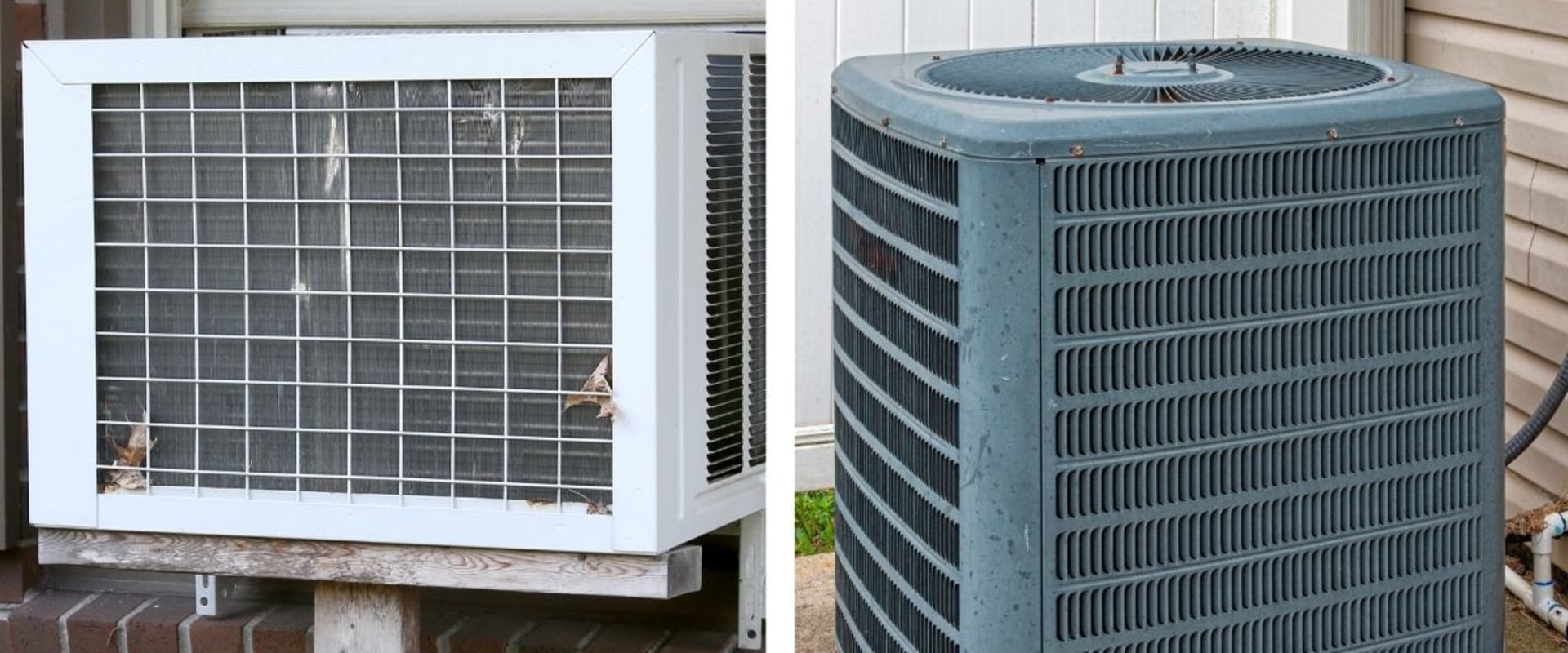
When it comes to maintaining a comfortable indoor environment, understanding the various AC systems available is crucial. Among the most popular options are central aircentral air systems and standalone air conditioning units. Each of these systems plays a significant role in cooling homes, yet they operate on different principles and serve distinct purposes. As temperatures rise, the importance of choosing the right cooling solution becomes even more apparent, making it essential to grasp the nuances between these two types of systems.
Central air
systems are designed to cool an entire home efficiently by utilizing a network of ducts to distribute chilled air from a central unit.
This method not only ensures consistent temperatures throughout the living space but also enhances air quality by filtering out dust and allergens. On the other hand, traditional air conditioning units, often referred to as window or portable units, are typically used to cool specific rooms or areas. While they can be effective for localized cooling, they may not provide the same level of comfort or efficiency as a central system.As we delve deeper into the differences and similarities between central air and other air conditioning solutions, it’s important to consider factors such as installation costs, energy efficiency, and maintenance requirements. Understanding these elements will not only help homeowners make informed decisions but also optimize their cooling strategies for maximum comfort and cost-effectiveness.
In this exploration, we will uncover how each system works, their advantages and disadvantages, and ultimately guide you in selecting the best AC system for your needs.
What is Central Air?
Central air refers to a comprehensive cooling system designed to regulate the temperature of an entire home or building from a single, centralized unit. Unlike window or portable air conditioners that cool individual rooms, a central air system utilizes a network of ducts to distribute cooled air throughout various spaces, ensuring consistent comfort across all areas.At the heart of a central air conditioning system are two primary components: the outdoor condenser and the indoor evaporator. The outdoor unit houses the compressor, which is responsible for circulating refrigerant through the system. This refrigerant absorbs heat from inside your home and releases it outside, effectively cooling the indoor air.The indoor unit, typically located in a basement or utility room, contains the evaporator coil and a fan that blows air over the coil, allowing it to cool before distributing it through the ductwork.One of the significant advantages of central air systems is their ability to maintain a uniform temperature throughout your home. This is achieved through strategically placed vents that allow for even airflow. Additionally, central air systems often come equipped with advanced thermostats that enable users to set specific temperatures for different times of the day, enhancing energy efficiency.Moreover, central air conditioning systems can improve indoor air quality by filtering out dust, allergens, and other pollutants. Many systems include high-efficiency particulate air (HEPA) filters that capture microscopic particles, making the air cleaner and healthier to breathe.In summary, understanding what central air entails is essential for homeowners considering their cooling options.
With its ability to provide consistent comfort, improve air quality, and enhance energy efficiency, a central air conditioning system stands out as a reliable choice for effective home cooling.
What is Air Conditioning?
Air conditioning is a technology that modifies the properties of air to create a more comfortable indoor environment. This process typically involves cooling, dehumidifying, and filtering the air, making it essential for maintaining a pleasant atmosphere in homes, offices, and other spaces. Understanding the various types of air conditioning systems can help you choose the right solution for your needs.Types of Air Conditioning Systems
There are several types of air conditioning systems available, each designed to meet different cooling requirements and preferences. Here are some of the most common types:- Central Air Conditioning: This system uses a network of ducts to distribute cooled air throughout a building.
It typically consists of an outdoor condenser unit and an indoor air handler. Central air conditioning is ideal for larger homes or buildings where consistent temperature control is desired.
- Window Air Conditioners: These self-contained units are installed in a window or through a wall. They are suitable for cooling individual rooms and are often more affordable than central systems. Window units are easy to install and can be removed when not in use.
- Portable Air Conditioners: Similar to window units, portable air conditioners can cool a single room but do not require permanent installation.
They come with wheels for easy mobility and typically vent hot air through a window using an exhaust hose.
- Ductless Mini-Split Systems: These systems consist of an outdoor compressor and one or more indoor units mounted on walls or ceilings. Ductless mini-splits provide flexibility in cooling specific areas without the need for ductwork, making them ideal for homes without existing ducts.
- Evaporative Coolers: Also known as swamp coolers, these systems use water evaporation to cool the air. They work best in dry climates and are energy-efficient alternatives to traditional air conditioning systems.
Whether you opt for a central system or a portable unit, the right choice will enhance your comfort during hot weather.
Key Differences Between Central Air and Air Conditioning
When considering the best cooling solution for your home, understanding the key differences between central air and other forms of air conditioning is crucial. Each system has its unique features, advantages, and drawbacks that can significantly impact your comfort, energy efficiency, and overall costs.Installation
The installation process varies greatly between central air systems and room air conditioners. Central air systems require a more complex setup, involving the installation of ductwork throughout your home. This can be a significant investment in both time and money, as it often necessitates professional installation.In contrast, room air conditioners are typically much simpler to install. They can be placed in windows or through walls with minimal effort, making them a popular choice for renters or those looking for a quick cooling solution.
Efficiency
In terms of efficiency, central air systems generally outperform room air conditioners when cooling larger spaces. Central air units are designed to cool an entire home uniformly, which can lead to better energy efficiency over time. However, if you only need to cool one or two rooms, a room air conditioner may be more efficient since it targets specific areas without wasting energy on unoccupied spaces.Cost Considerations
The initial cost of installing a central air system is typically higher than purchasing a room air conditioner.However, when evaluating long-term costs, central air systems may offer savings on energy bills due to their efficiency in cooling larger areas. Room air conditioners can be less expensive upfront but may lead to higher energy costs if used extensively across multiple rooms.
Suitability for Different Home Sizes
The size of your home plays a significant role in determining which system is best suited for your needs. Central air conditioning is ideal for larger homes with multiple rooms that require consistent cooling. It provides a seamless experience by maintaining a uniform temperature throughout the house.On the other hand, if you live in a smaller space or an apartment, room air conditioners can effectively cool individual rooms without the need for extensive ductwork.In summary, the choice between central air and other forms of air conditioning hinges on various factors including installation complexity, efficiency, cost implications, and the specific cooling needs of your home. By carefully evaluating these aspects, you can make an informed decision that best suits your lifestyle and budget.
Components of a Central Air System
Understanding the components of a central air system is crucial for anyone considering installation or maintenance. A central air conditioning system consists of several key parts that work together to provide efficient cooling throughout your home. Below, we break down these essential components:- Outdoor Condenser Unit: This is the heart of the central air system, located outside your home.
The outdoor condenser unit houses the compressor, which is responsible for circulating refrigerant through the system. It also contains the condenser coil and a fan that helps dissipate heat from the refrigerant. When the system is in operation, warm air from inside your home is expelled outside through this unit.
- Indoor Evaporator Coil: Located inside your home, typically within the air handler or furnace, the evaporator coil absorbs heat from the indoor air. As warm air passes over the coil, the refrigerant inside absorbs this heat and cools the air before it is circulated back into your living spaces.
- Air Handler: The air handler is responsible for distributing cooled air throughout your home.
It contains the blower fan that pushes air through the ductwork and into various rooms. The efficiency of the air handler can significantly impact the overall performance of your central AC system.
- Ductwork: Ducts are essential for transporting cooled air from the air handler to different areas of your home. Properly designed and sealed ductwork ensures that cool air reaches every room efficiently, minimizing energy loss.
- Thermostat: The thermostat acts as the control center for your central air system. It allows you to set and adjust the desired temperature in your home.
Modern smart thermostats can learn your preferences and optimize energy usage accordingly.
Efficiency and Cost Considerations
When considering an AC system for your home, understanding the efficiency and cost implications of both central air conditioning and room air conditioners is crucial. Each system has its own set of advantages and disadvantages that can significantly impact your energy bills and overall comfort.Efficiency Ratings
Efficiency is often measured using the Seasonal Energy Efficiency Ratio (SEER) for central air systems and the Energy Efficiency Ratio (EER) for room air conditioners.A higher SEER or EER rating indicates a more efficient system, which translates to lower energy consumption.
- Central Air Conditioning: Typically, modern central air systems have SEER ratings ranging from 14 to 22. Systems with a SEER rating of 16 or higher are considered highly efficient. These units are designed to cool larger spaces and can maintain consistent temperatures throughout your home.
- Room Air Conditioners: Room AC units generally have EER ratings between 8 and 12. While they are effective for cooling individual rooms, their efficiency can drop significantly if used to cool larger areas or multiple rooms simultaneously.
Cost Analysis
The initial cost of purchasing and installing an AC system varies widely between central air conditioning and room units:- Central Air Conditioning: The installation cost for a central air system can range from $3,000 to $7,000, depending on the size of your home and the complexity of the installation. However, these systems often provide better long-term savings due to their efficiency.
- Room Air Conditioners: In contrast, room AC units are much more affordable, typically costing between $150 and $800. They are easy to install and can be moved from room to room as needed, making them a flexible option for renters or those on a tight budget.
Energy Savings with Central Air
While the upfront costs of central air conditioning may be higher, they often lead to significant energy savings over time.Central systems can cool your entire home more efficiently than multiple room units running simultaneously. Additionally, many modern central air systems come equipped with smart technology that allows homeowners to optimize their cooling schedules based on occupancy and time of day.In summary, when evaluating an AC system, consider both the efficiency ratings and the associated costs. Central air conditioning may require a larger initial investment but can offer substantial energy savings in the long run, making it a worthwhile consideration for homeowners looking for comfort and efficiency.
Installation Process for Central Air Systems
Installing a central air system is a significant investment that can greatly enhance the comfort of your home. The installation process involves several critical steps that require careful planning and execution to ensure optimal performance and efficiency.1.Assessment of Home Requirements
- The first step in the installation process is to assess your home’s cooling needs.
This includes evaluating the size of your home, the number of rooms, and existing ductwork.
- A professional installer will perform a load calculation to determine the appropriate size of the central AC system required for your space. An undersized unit will struggle to cool your home, while an oversized unit can lead to inefficiencies and increased energy costs.
2.Choosing the Right System
- Once the assessment is complete, you can choose a suitable central air conditioning system. Factors to consider include energy efficiency ratings (SEER), brand reputation, and warranty options.
- It’s essential to select a system that not only meets your cooling needs but also aligns with your budget and energy efficiency goals.
3.Professional Installation vs. DIY
While some homeowners may consider a DIY approach to installing a central air system, it is highly recommended to hire professionals for several reasons:
- Expertise: Professional installers have the necessary training and experience to handle complex installations, ensuring that all components are correctly installed and functioning efficiently.
- Compliance: Many local building codes require that HVAC systems be installed by licensed professionals.
This ensures compliance with safety standards and regulations.
- Warranty Protection: Many manufacturers require professional installation for warranty coverage. DIY installations may void warranties, leaving you responsible for any repairs or replacements.
4.Installation Steps
- Preparation: The area where the outdoor condenser will be placed is cleared and prepared.
- Ductwork Inspection: Existing ductwork is inspected for leaks or damage, which may need repairs or modifications.
- System Installation: The indoor unit is installed in a suitable location, followed by the outdoor condenser unit. Refrigerant lines are connected between the two units.
- Electrical Connections: Electrical wiring is connected to power both units, ensuring they operate correctly.
- Testing: Once installed, the system is tested for proper operation, including checking airflow and refrigerant levels.
Maintenance Tips for Central Air Systems
Maintaining your central air system is essential for ensuring its longevity and optimal performance.Regular upkeep not only enhances efficiency but also helps prevent costly repairs down the line. Here are some practical maintenance tips to keep your AC system running smoothly:
- Change or Clean Filters Regularly: One of the simplest yet most effective maintenance tasks is to check and replace or clean the air filters every 1-3 months. Clogged filters restrict airflow, making your system work harder and less efficiently.
- Inspect Ductwork: Periodically examine your ductwork for any signs of leaks or blockages. Sealing leaks can significantly improve your system's efficiency and reduce energy costs.
- Clear the Area Around the Outdoor Unit: Ensure that the outdoor condenser unit is free from debris, such as leaves, dirt, and grass.
A clear space allows for proper airflow, which is crucial for efficient operation.
- Schedule Professional Inspections: At least once a year, have a qualified technician perform a thorough inspection of your central air system. They can identify potential issues before they become major problems and ensure that all components are functioning correctly.
- Check Thermostat Settings: Make sure your thermostat is functioning properly and set to an appropriate temperature. Consider upgrading to a programmable thermostat for better energy management.
- Clean the Coils: The evaporator and condenser coils can accumulate dirt over time, which reduces their ability to absorb heat. Cleaning these coils at least once a year can enhance efficiency.
- Inspect Insulation: Check the insulation on refrigerant lines to ensure it is intact.
Proper insulation helps maintain the temperature of the refrigerant as it travels between the indoor and outdoor units.
Common Myths About Central Air and Air Conditioning
When it comes to central air and air conditioning systems, there are numerous myths and misconceptions that can cloud consumer judgment. Understanding the truth behind these myths is essential for making informed decisions about your home’s cooling needs. Here, we debunk some of the most common myths surrounding these systems.- Myth 1: Central Air is Only for Large Homes
Many people believe that central air systems are only suitable for larger homes.In reality, central air can be installed in homes of various sizes. The key is to ensure that the system is properly sized and designed to meet the specific cooling needs of your space.
- Myth 2: Air Conditioning Units Are Too Noisy
While older models of air conditioning units may have been noisy, modern systems are designed with noise reduction in mind. Many new units operate quietly, allowing you to enjoy a comfortable environment without disruptive sounds. - Myth 3: Central Air and Air Conditioning Are the Same
As discussed earlier, while central air refers specifically to a type of cooling system that uses ductwork to distribute cool air, air conditioning can encompass a variety of systems, including window units and portable air conditioners. Understanding this distinction can help you choose the right system for your needs. - Myth 4: You Can Save Money by Not Using Your AC
Some homeowners believe that turning off their AC during hot weather will save money on energy bills.However, this can lead to higher costs when you turn it back on, as the system will have to work harder to cool down your home again. Instead, consider using a programmable thermostat to optimize energy use.
- Myth 5: All Air Conditioning Systems Are Inefficient
This myth stems from older models that were less energy-efficient. Today’s air conditioning systems come with high SEER (Seasonal Energy Efficiency Ratio) ratings, meaning they are designed to use less energy while providing effective cooling. Investing in an energy-efficient model can lead to significant savings over time.
It’s important to do thorough research and consult with professionals when considering installation or upgrades to ensure you select the best option for your home’s cooling requirements.
<strong>Conclusion</strong>
In conclusion, understanding the differences between central air and other types of air conditioning systems is crucial for homeowners looking to optimize their cooling solutions. While both systems aim to provide comfort during hot weather, they operate on different principles and are suited for varying needs.Central air conditioning systems are designed to cool an entire home efficiently by utilizing a network of ducts. This allows for even temperature distribution and improved air quality through filtration. On the other hand, standalone air conditioning units, such as window or portable models, are ideal for cooling specific rooms or smaller spaces.They offer flexibility and lower initial costs but may not provide the same level of efficiency or comfort as a central system.When choosing between these options, consider factors such as:
- Home Size: Larger homes typically benefit from central air systems, while smaller spaces may only require a window unit.
- Installation Costs: Central air systems involve higher upfront costs due to installation complexity, whereas portable units are generally more affordable.
- Energy Efficiency: Central air conditioners can be more energy-efficient in the long run, especially when properly sized and maintained.
- Usage Patterns: If you only need cooling in certain areas at specific times, a room air conditioner might be more practical.